We're Paying Billions to Go Backward: The Nostalgia Machine That Ate Hollywood
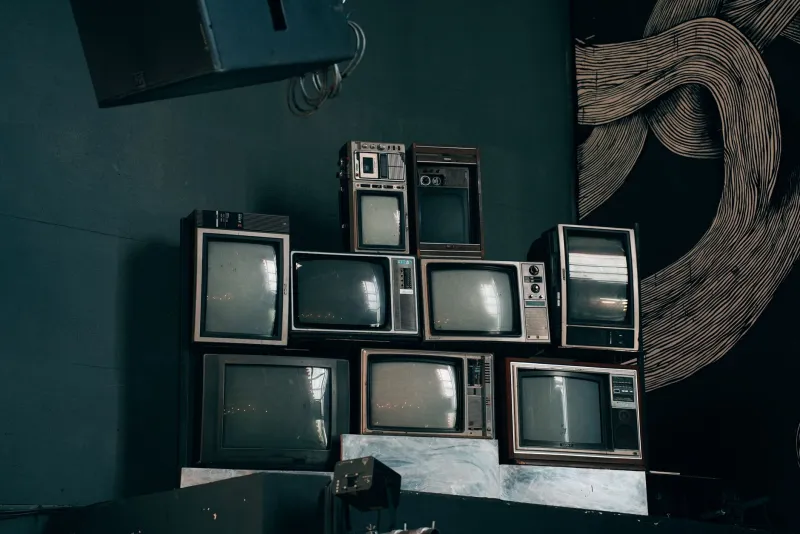
Somewhere in a boardroom right now, an executive is greenlit a reboot of something you loved when you were eleven. They've run the numbers. They've looked at the IP valuation. They've confirmed there's an existing fanbase with disposable income and a deep, almost irrational emotional attachment to a cartoon, a franchise, a theme song, a logo. And they've decided that's worth more than anything a writer's room full of fresh voices could invent from scratch.
This isn't cynicism. This is just Tuesday in the entertainment business.
The nostalgia economy is real, it's massive, and it's accelerating in ways that are worth paying attention to — especially if you care about where creative culture is actually headed.
The Numbers Don't Lie (Even When the Art Does)
Let's be honest about what's driving this. Studios and streaming platforms are not sentimental. When Disney revives a beloved animated classic as a live-action film, or when a network dusts off a '90s sitcom for a sequel series, the decision isn't rooted in artistic passion. It's rooted in risk management.
Original IP is expensive and unpredictable. A brand-new story needs to build its audience from zero. It needs marketing dollars to explain what it is, why people should care, and why they should show up opening weekend instead of waiting for the algorithm to recommend it six months later. Familiar IP skips all of that. The audience already exists. The emotional connection is already baked in. The title alone does half the promotional work.
From a pure business standpoint, it makes complete sense. From a creative standpoint, it's a slow bleed.
Why We Keep Buying Tickets to Our Own Past
Here's the uncomfortable part: we're not just passive victims of this system. We're active participants in it.
There's genuine psychological research behind why nostalgia is so potent. It activates the same reward centers in the brain as comfort food or a familiar smell. When life feels uncertain — and for a lot of Americans over the past decade, it has felt very uncertain — retreating into the media landscape of your childhood is genuinely soothing. It's not weakness. It's a coping mechanism.
The problem is that corporations have gotten extraordinarily good at weaponizing that coping mechanism.
They know that the thirty-five-year-old who grew up watching a specific animated series isn't just buying a movie ticket — they're buying back a feeling. They're purchasing a version of themselves that existed before mortgages and pandemics and political exhaustion. That's an incredibly powerful product. And once you understand that's what's being sold, you start to see it everywhere.
The vintage logo on the T-shirt. The legacy sequel that reunites the original cast. The streaming series that picks up exactly where the show left off in 1998. It's all the same transaction, just packaged differently.
What Gets Crowded Out
The real cost of the nostalgia industrial complex isn't what we're watching. It's what we're not watching — because it never got made.
Every development slot occupied by a reboot is a slot that didn't go to an original pitch. Every marketing budget poured into a franchise revival is a budget that didn't go toward introducing audiences to something they've never seen before. The math is zero-sum in ways that the industry doesn't love to advertise.
And this matters especially for creators who don't already have a seat at the table. Original storytelling is the primary vehicle through which new voices break through. It's how a writer from a background that hasn't historically been centered in mainstream entertainment gets to put their specific, irreplaceable perspective on screen. When the pipeline fills up with legacy content, those opportunities compress.
The irony is sharp: the nostalgia economy celebrates the past while making it harder for the future to arrive.
The Generation That Consumed Itself
There's a generational dimension to this that doesn't get discussed enough. Millennials — arguably the primary target market for the nostalgia machine right now — are watching their own cultural touchstones get recycled in real time. And Gen Z, who are still in the process of forming their cultural identity, are being handed someone else's greatest hits as a substitute.
Every generation is supposed to build its own mythology. Its own shared references. Its own defining films, shows, albums, and characters that will eventually be their nostalgia to revisit twenty years from now. But that process requires investment in original work. It requires studios to take bets on stories that don't come pre-loaded with a fanbase.
Right now, that investment is happening — but at a fraction of the scale that legacy IP commands. The cultural touchstones being created today tend to emerge from the margins: indie films, niche streaming projects, creator-driven content on platforms that didn't exist a decade ago. Which is genuinely exciting. But it also means the mainstream pipeline is increasingly clogged with the past.
The Craft Argument Nobody Wants to Have
There's also a craft conversation buried in all of this that's worth having out loud.
Reboots and revivals are genuinely difficult to execute well. Working within an established universe, honoring what audiences love while finding something new to say — that's a real creative challenge, and when it's done right, it can be remarkable. Some revivals have been genuinely excellent. Some live-action adaptations have found angles the originals never explored.
But the incentive structure around nostalgia content doesn't reward craft. It rewards recognition. A trailer that makes you feel something familiar will outperform a trailer for something brilliant but unknown almost every time. That means the metric for success gets quietly redefined: not whether the work is good, but whether it triggers the right emotional memory.
That's a dangerous standard to build an industry around.
So What Do We Actually Do With This?
None of this means you should feel guilty for tearing up at a legacy sequel or showing up for a rebooted franchise you genuinely love. Nostalgia is human. The emotional response is real. The enjoyment is real.
But maybe it's worth being intentional about balance — consciously seeking out original work alongside the comfort food, supporting the stories that don't have a built-in audience yet, paying attention to what's being crowded out rather than just celebrating what's being brought back.
The entertainment industry will follow the money. It always has. Which means, to whatever extent audiences can signal that originality matters — through streaming choices, ticket purchases, social conversation — that signal actually does something.
The nostalgia machine is powerful. But it runs on our attention. And attention, at least, is still something we get to choose.