Exhibit A: How the Screenshot Became the Only Evidence That Counts
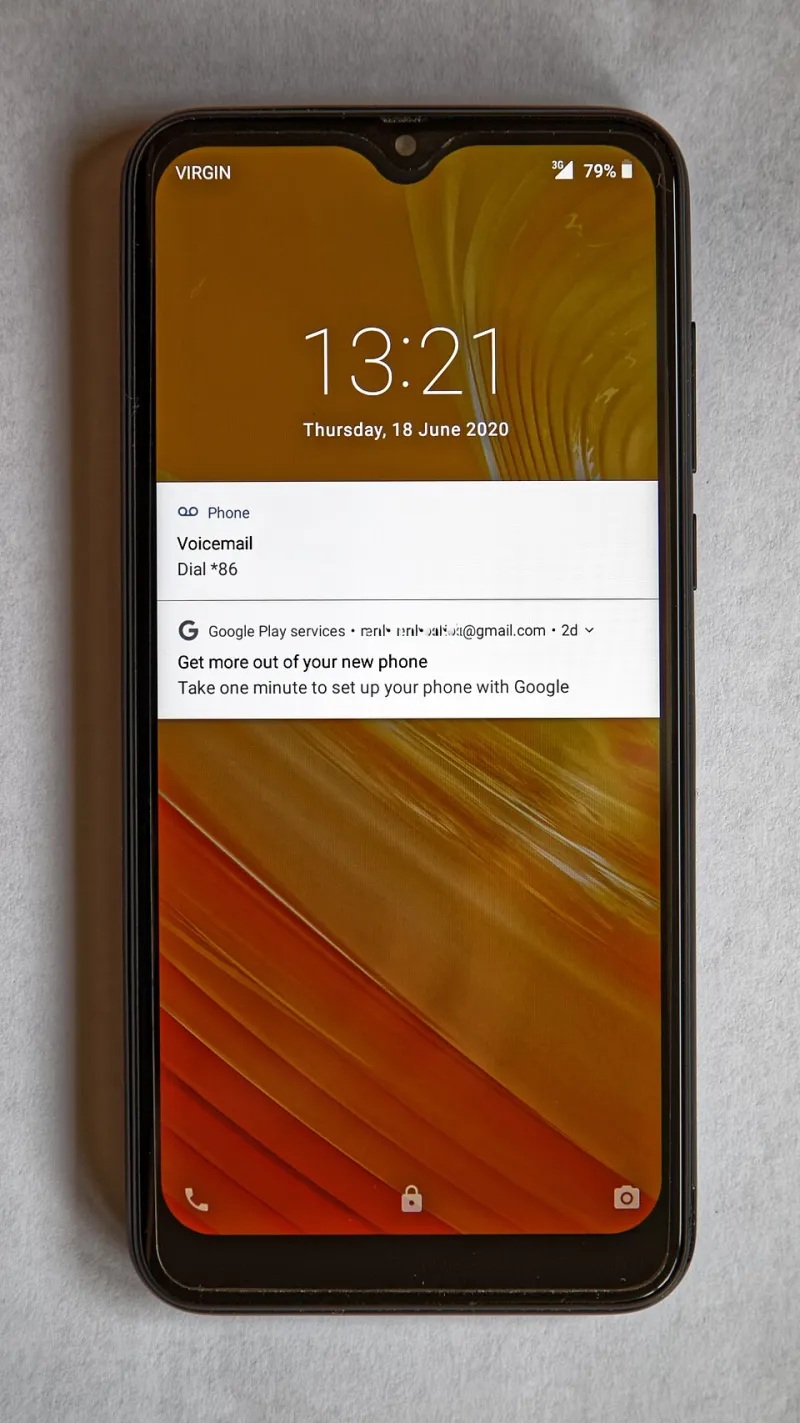
Photo: Acabashi, CC BY-SA 4.0, via Wikimedia Commons
There's a specific kind of silence that follows a screenshot. Not the silence of the accused — that's performative and everyone knows it. The silence of the audience, scrolling up to look at it again. Zooming. Checking the timestamp. Looking for the crop.
We have, without ever deciding to, made the screenshot the primary document of celebrity and creator drama. Not the statement, not the apology video, not the character arc. The screenshot. The little rectangle of JPEG that arrives in a group chat and settles an argument before anyone has finished making it.
The receipt is the story now
A decade ago, gossip had a shape: a rumor, a denial, a source close to the situation. It was interpretive. You weighed the credibility of the tabloid against the credibility of the publicist, and the truth sat somewhere in the fog between them.
Now the fog is gone, and what replaced it is evidence. A screenshot of a DM. A screen recording of a deleted Story. An archived tweet from 2019 that surfaces at exactly the wrong moment. The proof arrives first, and the interpretation comes after, in a cascade of quote tweets and reaction videos that treat the image as settled fact.
The problem is a screenshot isn't a document. It's an artifact of a moment that has already been edited — cropped to remove context, framed to include or exclude a timestamp, sometimes constructed. But it functions like a document, and that's what matters. It has the grammar of proof: monospace, borders, the little grey time signature at the top. It looks like a court exhibit. We read it like one.
Context collapse, at speed
What used to take a week now takes an afternoon. A private message becomes a public post becomes a hashtag becomes a brand statement becomes a New York Times aggregation becomes a discourse about discourse — all in the time it takes to get home from work.
At that speed, context doesn't get debated. It gets skipped. Nobody reads the nine tweets before the one that's circulating, because the one that's circulating is the one that's screenshot-able, and the nine before it don't fit in the frame. The frame is the argument.
This is the part that unnerves me. It's not that people lie with screenshots. It's that a true screenshot can be quietly rearranged into a false story simply by deciding where the edges go. The most powerful editorial decision in entertainment gossip today is a crop.
Proof as performance
There's a second layer, which is that everyone now knows the game.
Creators and celebrities have adapted. They post in ways that anticipate the screenshot: careful phrasing, practiced neutrality, a studied blandness designed so that nothing they write can be lifted and made to look worse out of context. Some of them pre-empt it — they post the receipt themselves, first, with a caption that does the framing for you. That's not transparency. That's litigation strategy wearing transparency's clothes.
And the audience has adapted too. We've become a country of amateur forensic analysts. We notice the font that doesn't match the platform. We clock the missing minutes in a screen recording. We ask, reflexively, "where's the rest of it?" — which is the healthiest instinct in this entire ecosystem and the one most likely to get you called a fan.
Why the image outranks the moment
Here's the strangest part. The screenshot almost never captures the thing that actually happened. It captures a fragment of it — the sentence without the tone, the message without the conversation, the two-minute stretch of a nine-hour day when somebody was at their worst.
And yet it outranks the moment, every time. A person can give a compelling interview, do years of decent work, behave with real grace under pressure, and one grainy screenshot will still be the thing that gets surfaced five years later. The image has a longer shelf life than the person.
Which means scandal itself has changed. It's no longer about what was done. It's about what can be displayed. The worst thing you can be caught at now isn't hypocrisy or cruelty — it's being unphotogenic in the wrong moment. And the best defense isn't innocence. It's having a cleaner screenshot.
The thing we're not doing
I don't think the answer is to stop looking at receipts. Screenshots have held genuinely powerful people accountable for genuinely awful behavior, and pretending otherwise would be dishonest. Receipt culture has done real good.
But there's a muscle we've let atrophy, and it's the one that says: this is a picture of something, not the thing itself. The screenshot is a claim. It's an argument made in the shape of evidence. It always has a frame, and somebody chose it.
The question worth asking isn't "is this real?" It's "what's outside the crop?" Nobody's asking that in the group chat at 1 a.m. But the people who do ask it are the ones who end up with the actual story — and they're usually the last ones talking.