They Ghosted You on Purpose: The Business of Creator Disappearances
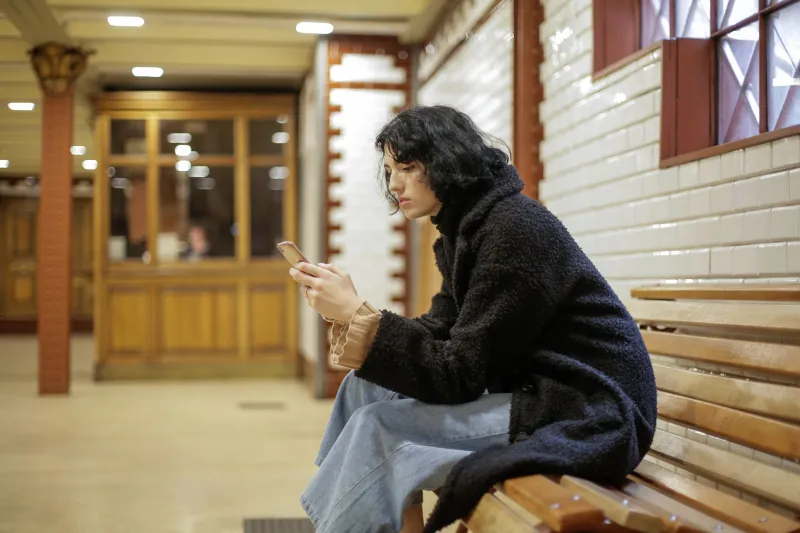
You noticed when they went quiet. You checked their page a few times, maybe even Googled their name to make sure nothing bad had happened. Then they came back — a little mysterious, a little changed — and you felt something that honestly resembled relief. Welcome to one of the most quietly effective marketing strategies in the creator economy: the manufactured absence.
It sounds cynical to frame it that way. And honestly, some creators do genuinely burn out, genuinely need rest, genuinely step back for reasons that have nothing to do with engagement metrics. But the line between authentic retreat and strategic withdrawal has gotten blurry enough that it's worth examining — because the business mechanics underneath it are real, whether the creator is conscious of them or not.
Why Distance Creates Value
Scarcity is one of the oldest levers in economics. When something becomes harder to access, people want it more. The creator economy figured this out early, but the application has evolved past just limiting merch drops or paywalling content. Now the scarcity can be emotional. It can be presence itself.
When a creator you've followed for years suddenly goes quiet, a psychological process kicks in that's not entirely unlike what happens when a close friend stops texting back. You replay recent interactions. You wonder what you missed. You feel the absence in a way you never felt the presence — because presence was the baseline and absence is the disruption.
That disruption, whether manufactured or accidental, does something interesting to an audience: it reminds them that they care. And an audience that's been reminded it cares is primed to re-engage at a higher emotional pitch than one that's been passively consuming content on autopilot.
The Comeback Is the Product
Here's what the return video almost always includes: a vague acknowledgment that things got heavy, a suggestion of personal growth, a renewed sense of purpose, and — crucially — new content, new projects, or new merch positioned as the fruit of all that time away.
The hiatus, in this framing, isn't a break from the work. It's prep work for the next launch cycle.
This isn't a new phenomenon. Celebrities have been doing strategic disappearances for decades — the musician who checks into a retreat before a comeback album, the actor who goes off-grid before a press tour. What's changed is the intimacy of the creator-audience relationship, which makes the return feel personal in a way that a celebrity comeback never quite did. When your favorite creator comes back, it doesn't feel like a PR rollout. It feels like a friend returning your calls.
That feeling is the product.
The Emotional Labor You're Doing for Free
Parasocial relationships — the one-sided emotional bonds we form with people who don't know we exist — have always involved some degree of unpaid emotional labor on the audience's end. You invest attention, energy, sometimes money. You show up. You root for them.
But the creator economy has found ways to monetize not just your attention during the good times, but your anxiety during the gaps. Subscription platforms thrive on the fear of missing out on a return moment. Discord communities keep fans in a holding pattern of speculation and support. Comment sections become collective processing spaces where audiences work through the absence together — generating engagement that keeps the algorithm warm even when the creator is nowhere to be found.
You are, in a very real sense, maintaining the community while they're gone. And when they return to that maintained community, it looks like proof of loyal audience retention. Which is worth something. Financially.
When It Stops Feeling Like a Business and Starts Feeling Like a Breakup
The reason the hiatus-and-return cycle hits harder than it probably should is that we've been conditioned to read creator content through a relational lens. These aren't just videos or posts — they've been framed, often deliberately, as windows into a real human life. The creator has shared their apartment, their anxiety, their family drama, their growth. You've shown up for years of it.
So when they step back without explanation — or with a carefully worded non-explanation — it doesn't register as a content pause. It registers as a withdrawal of intimacy. And that stings in a way that's disproportionate to what the relationship actually was, because the relationship was always more asymmetrical than it felt.
The breakup feeling is real. The relationship, structurally, was not — at least not in the mutual way we experience relationships with people who actually know our names.
How to Watch This Without Getting Played
None of this means you have to stop caring about creators you genuinely like. It means building a little structural awareness around how you care.
Notice when a return feels engineered rather than organic. Notice when the comeback content conveniently aligns with a product launch or a platform push. Notice whether the "vulnerability" being shared is specific and human or vague and strategic — there's a meaningful difference between a creator saying "I was going through a hard time and needed space" and one who tells you exactly what they were going through, because the former can mean anything and often does.
You're allowed to be moved by creator content. You're allowed to feel something when someone you've followed for years takes a step back. But you're also allowed to recognize that your emotional investment has monetary value — and that some people in this industry know exactly how to make a withdrawal.
The distance was never really about them. It was always, at least partly, about you.