You're Not Nostalgic for the Show — You're Nostalgic for Who You Were
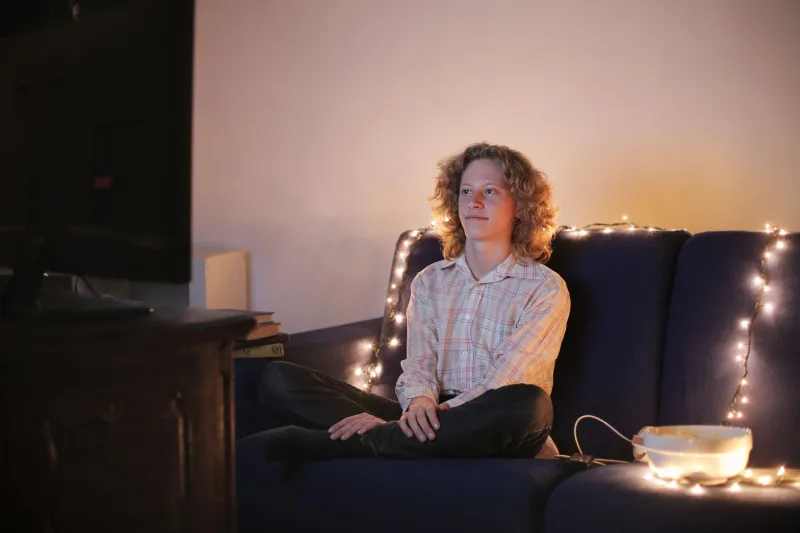
Let me paint a familiar picture. A reboot drops. You were obsessed with the original as a kid, so naturally you tune in. Halfway through the first episode, something feels... off. The jokes land a little flat. The pacing is weird. The characters feel like cosplay versions of themselves. But you keep watching, and somewhere around episode three, you start telling your friends it's actually pretty good. You post a defense of it online. You mean every word.
Here's the uncomfortable question: was the show actually good, or were you just really happy to feel twelve again?
This isn't about being gullible or having bad taste. It's about something much more interesting — the way our brains quietly merge the media we consumed with the emotional states we were in when we consumed it. And once you understand that mechanism, you start to see why the nostalgia economy is one of the most sophisticated psychological operations running in entertainment right now.
Your Brain Doesn't Store Memories Like Files
Most of us operate under the assumption that memory works like a hard drive — you experience something, it gets saved, you retrieve it later. But that's not really how it goes. Memory is reconstructive, meaning every time you recall something, you're essentially rebuilding it from pieces. And those pieces get colored by emotion, context, and everything that's happened to you since.
When you watched your favorite show at thirteen, you weren't just watching a show. You were watching it during a specific chapter of your life — maybe one where things felt simpler, or where your friendships were intense and all-consuming, or where you had fewer responsibilities and more time to just be a person. The show and that feeling got stored together. Fused, really.
So when a reboot arrives decades later and plays the same theme music, uses the same fonts, brings back the same cast — your brain doesn't just recognize the show. It reaches for that whole emotional package. The safety. The belonging. The particular flavor of being young and not knowing it yet.
The problem is that the reboot can never actually deliver that package. It can only gesture at it. And a lot of the time, we mistake the gesture for the real thing.
Hollywood Knows Exactly What It's Doing
This isn't accidental. The entertainment industry has spent years studying what makes nostalgia tick, and the conclusions they've drawn have quietly reshaped what gets greenlit. It's not about whether a story is worth telling again. It's about whether an audience already has an emotional investment they can be sold back to themselves.
Think about the specific choices that go into a nostalgia-driven reboot: the original actors, even in smaller roles. The original score, maybe updated but recognizable. The visual callbacks. The in-jokes for longtime fans. None of these choices are primarily about storytelling. They're about triggering memory. They're about creating a sensation of return that the audience will interpret as quality.
When a reboot gets that formula right, critics and audiences often describe it as "honoring the original." But what they usually mean is that it successfully activated the right emotional memories without doing anything to disrupt them. That's a technical achievement. It's not a creative one.
The Defense Mechanism Nobody Talks About
Here's where it gets really interesting. When someone criticizes a reboot you love, the reaction is often disproportionate. Not just "I disagree" but something closer to personal offense. And that makes total sense once you understand what's actually being defended.
If your love for the reboot is partly love for a version of yourself — younger, less complicated, more hopeful — then criticism of the show can feel like criticism of that self. Like someone is telling you that the memories you've been carrying weren't worth having. That the comfort you took from them was built on something hollow.
Of course you push back. Of course you find reasons the show is actually good. Your brain is protecting something real, even if it's using a mediocre streaming series as the vessel.
This is also why nostalgia-driven discourse gets so heated online. People aren't arguing about the show. They're arguing about whether their past selves had good judgment. Whether their formative experiences were meaningful. Those are much higher stakes than episode quality.
What We Actually Lose When We Buy In
None of this means you can't enjoy a reboot. Comfort watching is legitimate. Revisiting something familiar because it makes you feel good is a completely valid use of your time and attention. But there's a cost to confusing that comfort with quality.
When we collectively defend mediocre reboots as genuinely great, we signal to studios that this formula works. And studios respond accordingly — by greenlighting more of it, by continuing to prioritize the emotional manipulation of existing fanbases over the development of new stories and new voices. The cycle feeds itself.
There's also a more personal cost. When you outsource your sense of taste to nostalgia, you stop developing it. You stop asking what a story is actually doing, what it's saying about the world, whether it's taking any real risks. You just ask whether it feels like home. And that's a smaller, quieter way of engaging with art than you're actually capable of.
Watching With Your Eyes Open
The move isn't to stop watching reboots or to feel embarrassed about the ones you've loved. It's just to get honest with yourself about why you love them. There's a difference between "this is genuinely doing something interesting" and "this is making me feel something real by borrowing from something I already loved."
Both can be true at once. Some reboots are actually good. Some manage to honor the original while building something new. But that distinction matters, and it's worth making.
Because the show you fell in love with at thirteen? That version lives in you. It's yours. No reboot can touch it, and no reboot can improve it. What you're really looking for when you queue up that revival isn't the show — it's the feeling of being that person again, just for an hour.
That's beautiful and human and completely understandable. It's also something no streaming platform can actually give you, no matter how good the theme song sounds.