Two Minutes of Thunder: Why the Trailer Outgrew the Movie
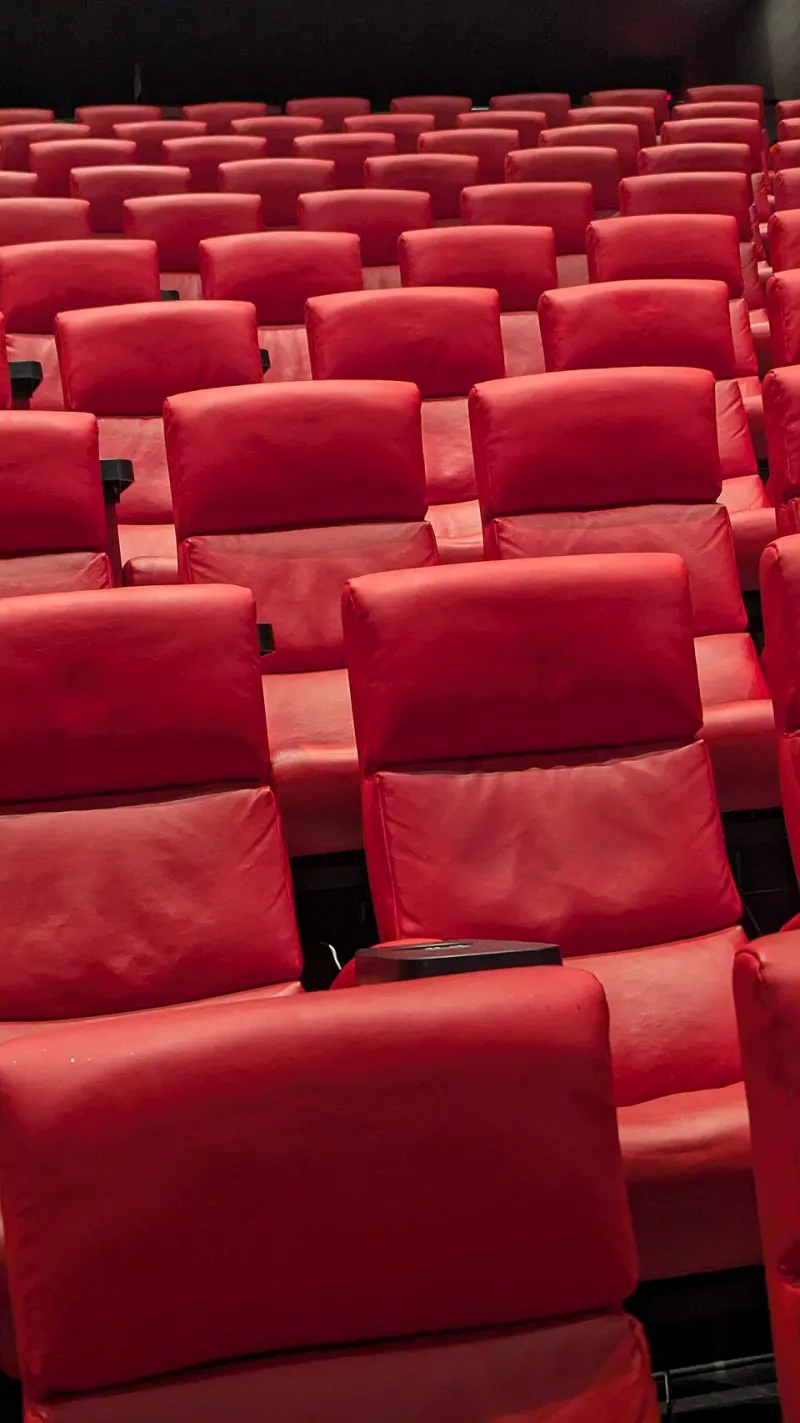
Photo: Eden, Janine and Jim from New York City, CC BY 2.0, via Wikimedia Commons
You know the sound. Two low piano notes, a slow fade up from black, a voice doing that whisper-gravel thing, a hard cut to a logo. Twenty seconds later your group chat has a plan. Someone has already bought tickets for a Thursday preview. Someone else has posted a fourteen-minute breakdown of a hallway shot and is convinced there is a second character hiding in the doorframe.
The movie comes out in eight months. Nobody has seen it. Everybody has seen it.
That is the trade we have made. Trailer day is the release now. Opening weekend is the afterparty, and the afterparty is mostly people looking at their phones.
We Used to Complain About Spoilers. Now We Rewind Them
For decades the standard complaint about trailers was that they gave away too much. You would sit through two and a half minutes that laid out the entire second act and walk in feeling like you had already paid for the ticket. Studios got accused of it constantly. It was the most reliable gripe in movie criticism, right up there with the book was better.
Then something flipped. Somewhere in the last few years, audiences stopped trying to avoid information and started hunting it. Slow it to quarter speed. Crank the brightness. What is written on the whiteboard behind her? Is that the same jacket from the poster? Why is the street sign backwards?
A trailer is not a preview anymore. It is a puzzle box with a release date welded to the lid. And the people who cut them know exactly what they are doing. Every frame is a potential screenshot, every line of dialogue a potential sound on TikTok, every unexplained image a potential thread with four thousand comments underneath it.
The Campaign Is the Product
Here is the part the industry figured out before the rest of us did: marketing does not have to be the thing you tolerate before the thing you want. It can be the thing you want.
Watch how a big movie rolls out now. A teaser, usually cryptic, often attached to something enormous so it gets its own news cycle. Then a full trailer, which is a bigger event than most mid-budget films will ever have. Then a second trailer for the people the first one did not move. Then a final trailer, a phrase that lost all meaning somewhere around 2015. Then TV spots, character posters, a featurette, a clip dropped on a late-night show, and a premiere livestream where the red carpet functions as a three-hour ad.
That is not marketing. That is a season of television. It has pacing, cliffhangers, and a finale. Fans do not just consume it, they participate in it, remixing and ranking and arguing about the order of the reveals like they are filling out playoff brackets.
There is history here. The Alien trailer in 1979, all images and a rising shriek and almost no dialogue, convinced people they were about to watch something they were not allowed to see. The Phantom Menace trailer in 1998 was such an event that people reportedly bought tickets to other movies just to watch it and then walked out. We did not invent this behavior. We just built an economy around it.
Reaction Content Is the Second Trailer
The other shift: we now watch the trailer being watched. Reaction videos have become a formal stop on the rollout. Studios quietly court them. Creators get early access, or they do not and they film themselves watching on a laptop with the volume low enough to survive a copyright claim.
It sounds silly until you notice what it does. A reaction video sells you the feeling of anticipation without requiring you to feel it yourself. It is a shortcut to hype, and it is free distribution, because someone else's face is doing the marketing work.
There is also a strange intimacy to it. You get to watch a stranger's eyes go wide at the exact moment yours did. That is a small, real hit of connection, which is what all the best marketing is really selling.
What a Great Trailer Costs a Great Movie
Now I get cynical.
A genuinely excellent trailer is a self-contained piece of filmmaking, and the people who cut them are absurdly good at their jobs. They can build tension, pace a reveal, land a joke, and stick an ending in two minutes flat. Some of them understand rhythm better than the directors whose work they are cutting.
Which is the problem. If the best-edited, best-scored, most carefully paced two minutes of your movie exist outside the movie, you have set a bar your own film cannot clear. You spent your best ideas on the invitation.
I have felt this plenty of times. You sit in the theater, the thing you were promised does not quite arrive, and you spend the drive home trying to figure out where the energy went. The answer is usually that it went into the ad.
That is not always the studio's fault. Trailers get made by committees and marketing departments and outside houses working from footage a director has not finished. Sometimes the film that shows up is quieter, stranger, and better than what was sold. Sometimes the trailer promised a movie nobody made.
But when the two-minute version is the most memorable thing about a release, we should say so out loud. Not because trailers are bad. Because we have accidentally made them the destination.
I Am Part of the Problem
I watched a teaser this morning. Twice. Then I read three paragraphs of analysis about a costume detail I am not remotely qualified to interpret. I have opinions about a film I will probably see on a plane in eighteen months.
So this is not a lecture. It is a note from inside the machine.
The trailer became the main event because it is the part we all share. A movie is two hours you spend alone in the dark. A trailer is two minutes you spend with everyone. The conversation happens before the film now, and increasingly instead of it.
Which is fine, as long as we are honest about the purchase. We are not buying a story. We are buying a season of anticipation, and when it ends, we go looking for the next one.