Your Favorite Isn't Your Friend, They're Your Fantasy Football Team
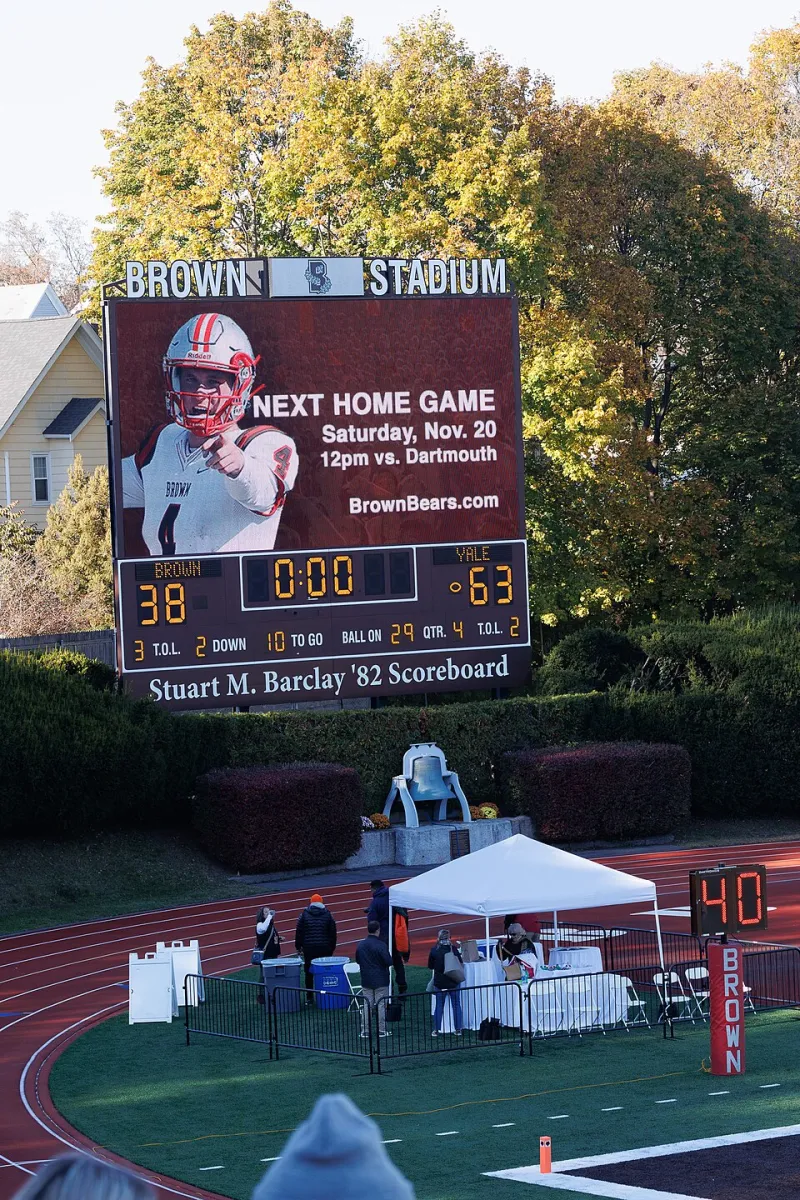
Photo: Kenneth C. Zirkel, CC BY-SA 4.0, via Wikimedia Commons
Somewhere along the way, being a fan started to feel like managing a roster. We don't just love an artist anymore — we track their numbers, compare their numbers to their rivals' numbers, and treat a bad chart week like a personal insult.
Fandom used to be a living room. Now it's a leaderboard.
How Loving Something Became a Competition
The infrastructure of ranking culture is everywhere. Tier lists that sort a musician's discography from S to F. Twitter polls pitting two actresses against each other for a role neither of them controls. Stream-count wars where fan armies coordinate listening parties to "defeat" another artist's first-week numbers. Even award season coverage reads like sports commentary: who's up, who's fumbled, who's finished.
None of this is accidental. Platforms reward comparison because comparison drives engagement. A post saying "I love this album" gets a few likes. A post saying "this album outsold her rival's by 40%" starts a war in the quotes. The algorithm doesn't want your affection — it wants your contention.
The Betrayal You Feel When They Lose
Here's where it gets psychologically interesting: fans don't experience their favorite's losses as statistics. They experience them as wounds.
If your identity is partly built around being a "real" supporter of a particular artist, their commercial failure feels like a referendum on your judgment. You didn't just like the wrong thing — you defended the wrong thing, publicly, for years. That's why a chart loss triggers genuine grief and fury in fandom spaces. You're not mad about numbers. You're mad about what the numbers seem to say about you.
And the artists feel it too, from the other side. Imagine waking up to discover that your album release has been framed as a boxing match, that your fans are harassing another artist's fans on your behalf, and that a mediocre sales week is being narrated as your downfall — by people who claim to love you.
The Artists Pushing Back
Plenty of performers are quietly refusing the scoreboard. Some decline to acknowledge chart positions at all. Some call out their own fanbases when the fandom turns hostile — an uncomfortable but necessary move that says: this isn't what I made this for. Others deliberately release work that defies ranking logic: surprise drops, genre detours, projects that are interesting rather than optimized.
The message underneath all of it is the same: I'm a person making things, not an entry in your standings.
A Modest Proposal for Fans
None of this means you can't have opinions. Ranking things is fun — it's basically the national pastime of the internet. The problem isn't having a tier list; it's mistaking the tier list for the relationship.
So here's a simple test. If your favorite artist released their next project to zero fanfare, zero streams, zero chart placement — would you still love it? Would you still listen? If yes, congratulations: you're a fan. If the thought of them "losing" stings more than the thought of never hearing the music again, you might be running a fantasy team with a human being as your star player.
The work was never supposed to be a scoreboard. It was supposed to be a gift. Maybe the most counter-cultural thing a fan can do in 2025 is accept it that way.